Layer 2 Blockchain Development: Build Faster and Cost-Effective dApps

Introduction
Blockchain technology has transformed the way businesses build secure and decentralized digital solutions. However, as blockchain adoption continues to grow, issues such as network congestion, slow transaction speeds, and high gas fees have become major concerns. These challenges can limit the performance of decentralized applications and reduce the overall user experience. Fortunately, modern scaling technologies are addressing these limitations by increasing transaction throughput while maintaining the security of the underlying blockchain. Whether developing decentralized finance platforms, NFT marketplaces, gaming ecosystems, or enterprise applications, understanding blockchain scalability is essential for building reliable, efficient, and future-ready Web3 solutions.
Why Scalability Is Essential for Blockchain Projects
Scalability directly impacts the success of any blockchain application. As user activity increases, networks must process thousands of transactions without delays or excessive fees. Efficient scaling enables organizations to provide faster and more affordable services while maintaining decentralization.
Some of the key advantages include:
Faster transaction confirmation
Reduced network congestion
Lower transaction costs
Improved user experience
Better support for high-volume applications
Greater long-term sustainability
Projects designed with scalability in mind are better prepared to support future growth and changing market demands.
Building High-Performance Decentralized Applications
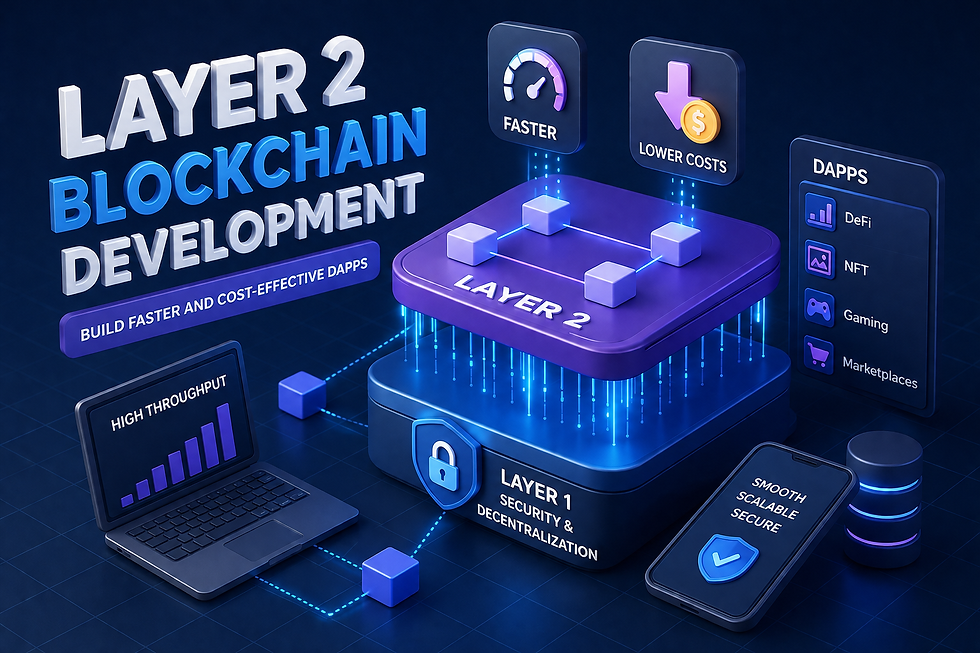
Organizations developing blockchain solutions require infrastructure capable of handling growing transaction volumes without sacrificing security. Layer 2 Blockchain Development offers an effective approach by processing transactions outside the primary blockchain while relying on the main network for final validation and security.
Popular scaling technologies include rollups, sidechains, and state channels, each designed to improve efficiency in different scenarios. These innovations enable developers to create decentralized applications that perform consistently even during periods of heavy network activity. As blockchain ecosystems continue to expand, scalable infrastructure has become a critical component of successful Web3 projects.
Industries Benefiting from Advanced Blockchain Scaling
Improved blockchain performance creates opportunities across numerous industries where speed, security, and cost efficiency are essential.
Decentralized Finance (DeFi)
Financial platforms require rapid transaction processing for lending, borrowing, staking, and decentralized exchanges. Better scalability helps maintain a smooth user experience while reducing operational costs.
NFT Marketplaces
Digital asset platforms benefit from lower transaction fees and quicker transfers, making minting and trading more accessible to creators and collectors.
Blockchain Gaming
Gaming applications generate large numbers of microtransactions. Efficient blockchain infrastructure supports real-time gameplay, digital asset ownership, and secure in-game economies.
Enterprise Solutions
Businesses using blockchain for supply chain management, document verification, healthcare, logistics, and digital identity benefit from improved efficiency, transparency, and operational performance.
Choosing the Right Blockchain Development Strategy
Successful blockchain projects require careful planning before development begins. Organizations should evaluate both current requirements and future scalability needs to ensure long-term success.
Important considerations include:
Security of smart contracts
Network performance under heavy usage
Compatibility with existing blockchain ecosystems
Ease of future upgrades
Regulatory and compliance requirements
Long-term maintenance and monitoring
Selecting the right technical architecture from the beginning minimizes future challenges and creates a more reliable blockchain ecosystem.
Expert Buying Tips
Before choosing a blockchain development partner, consider these expert recommendations:
Evaluate experience with blockchain architecture and smart contracts.
Prioritize security audits and comprehensive testing.
Select technologies that support scalability and interoperability.
Ensure the solution can accommodate future business growth.
Review previous blockchain implementations and technical expertise.
Focus on long-term value rather than only initial development costs.
A strategic approach helps businesses build blockchain applications that remain secure, efficient, and adaptable as technology continues to evolve.
Frequently Asked Questions
What are Layer 2 solutions in blockchain?
Layer 2 solutions are technologies built on top of existing blockchain networks that improve transaction speed, increase scalability, and reduce transaction costs while maintaining the security of the primary blockchain.
Why do blockchain applications need scaling?
As blockchain usage grows, networks experience congestion and higher fees. Scaling technologies help improve performance, making decentralized applications faster and more affordable.
Which industries benefit the most from blockchain scaling?
Industries such as decentralized finance, NFT platforms, gaming, healthcare, logistics, supply chain management, and enterprise software all benefit from improved blockchain performance.
Are Layer 2 solutions secure?
Yes. Most modern scaling technologies rely on the security of the underlying blockchain while processing transactions more efficiently, providing both scalability and strong security.
What should businesses consider before starting a blockchain project?
Businesses should assess scalability requirements, security practices, technical expertise, interoperability, long-term maintenance, and compliance needs before beginning development.
Conclusion
As blockchain technology continues to evolve, scalability has become one of the most important factors influencing application performance and user adoption. Modern scaling solutions enable organizations to reduce costs, improve transaction speeds, and build decentralized applications capable of supporting future growth. By selecting the right blockchain architecture and following proven development practices, businesses can create secure, reliable, and efficient Web3 solutions that deliver lasting value.
For organizations looking to stay informed about blockchain innovation and emerging Web3 technologies, Tantrija shares valuable industry insights that support informed decision-making and successful digital transformation.


Comments